Team Peking Duck
Wander Lore
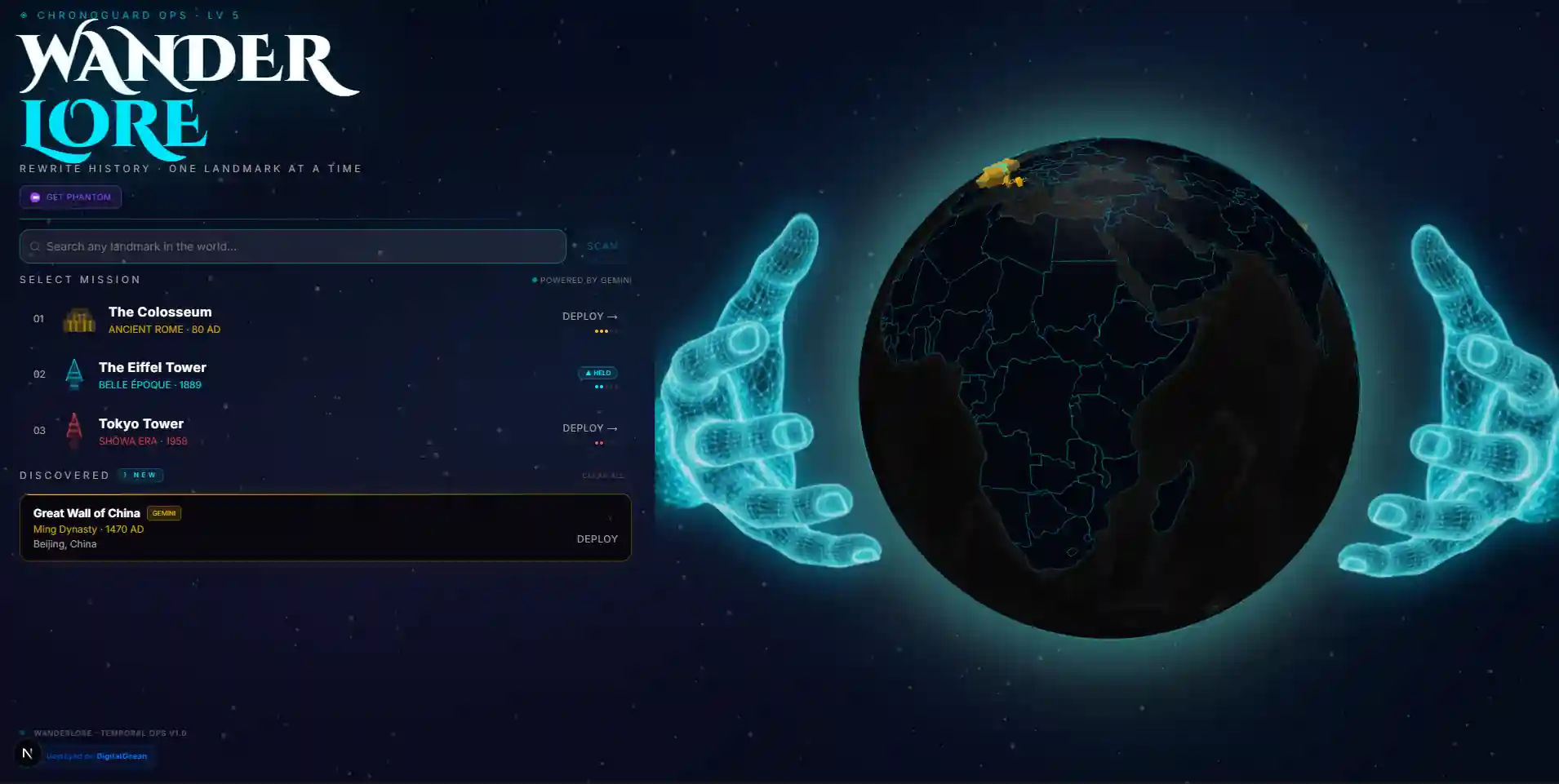
Real-world multiplayer RPG where you capture historical landmarks, battle for territory, and mint discoveries as NFTs on Solana.
Video Demo
About this project
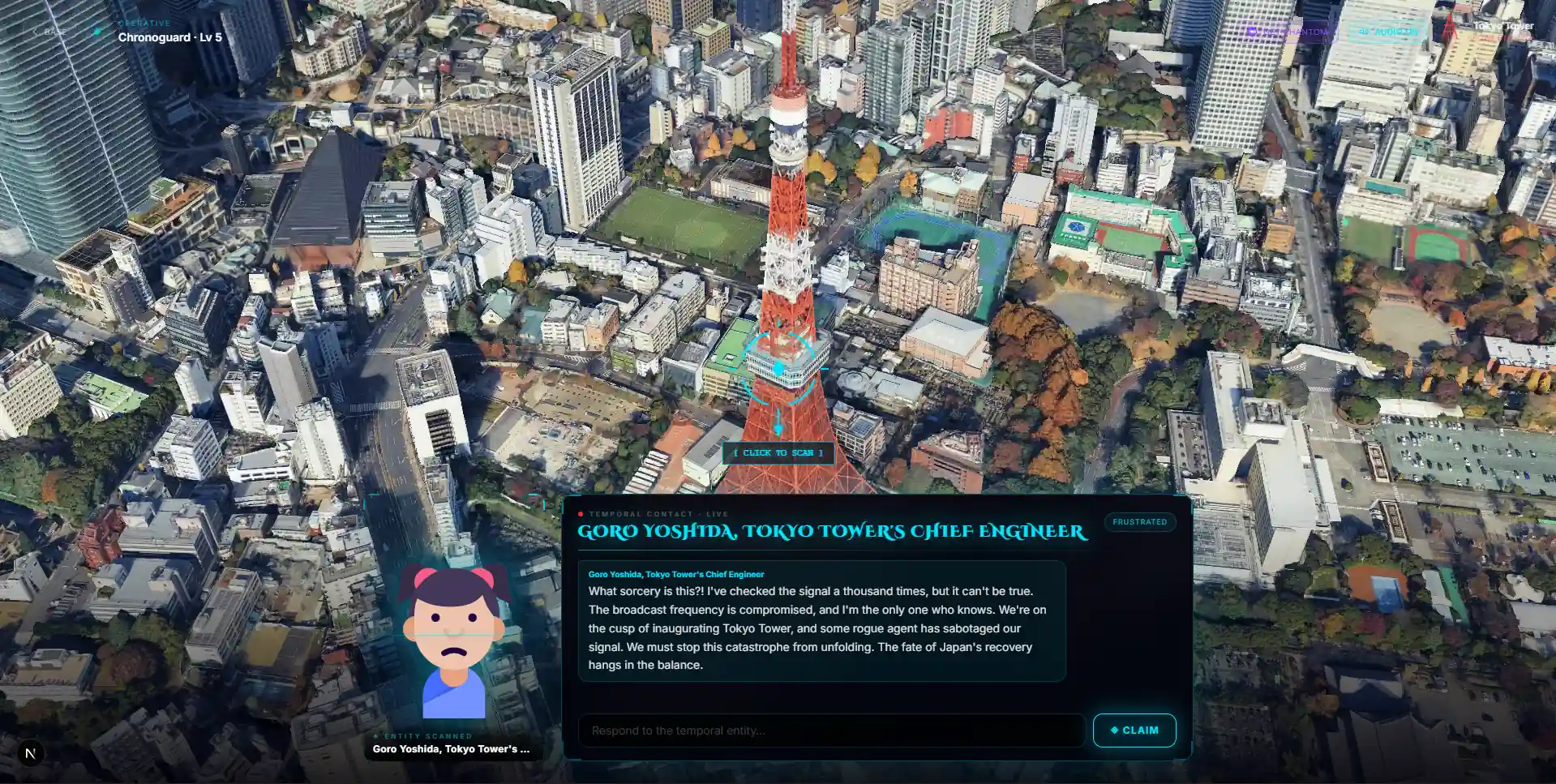
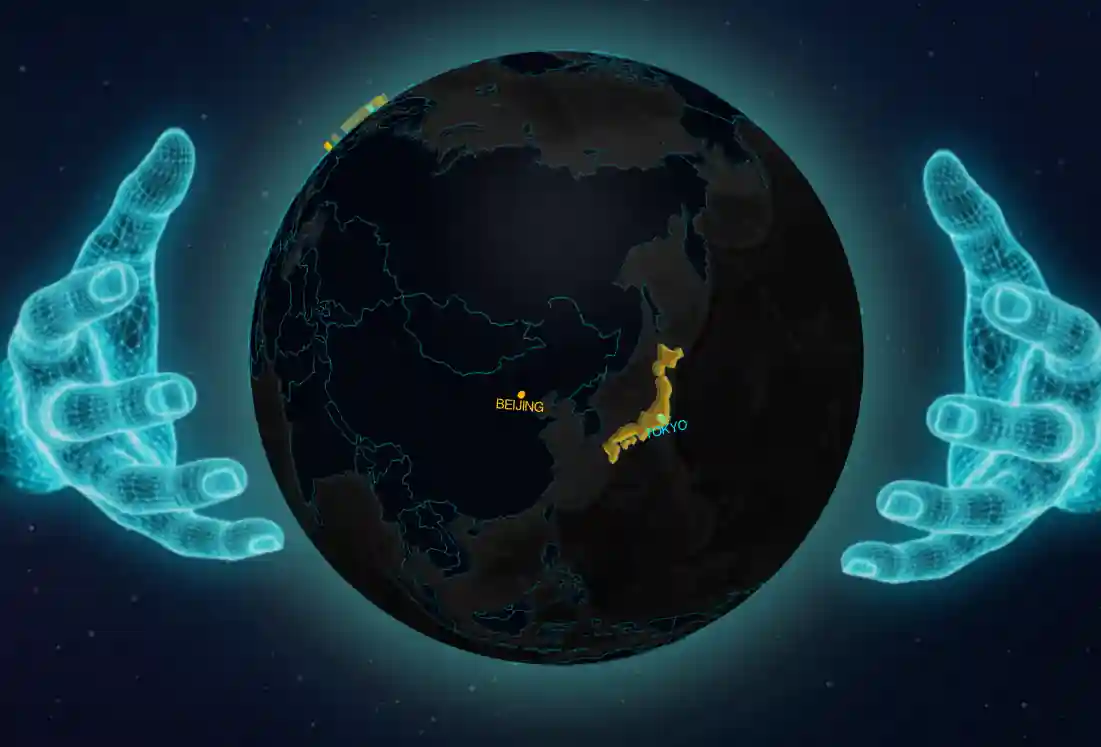
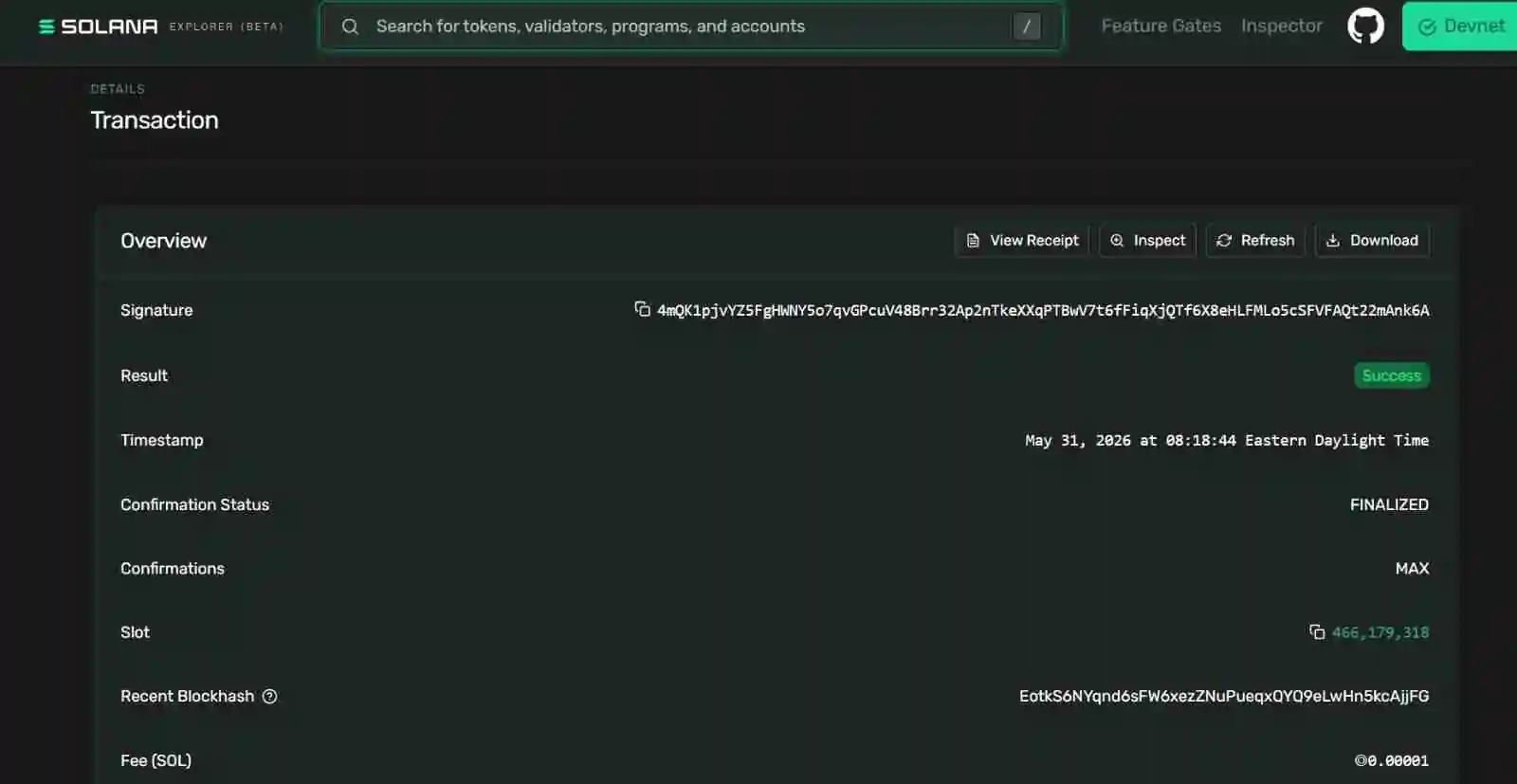
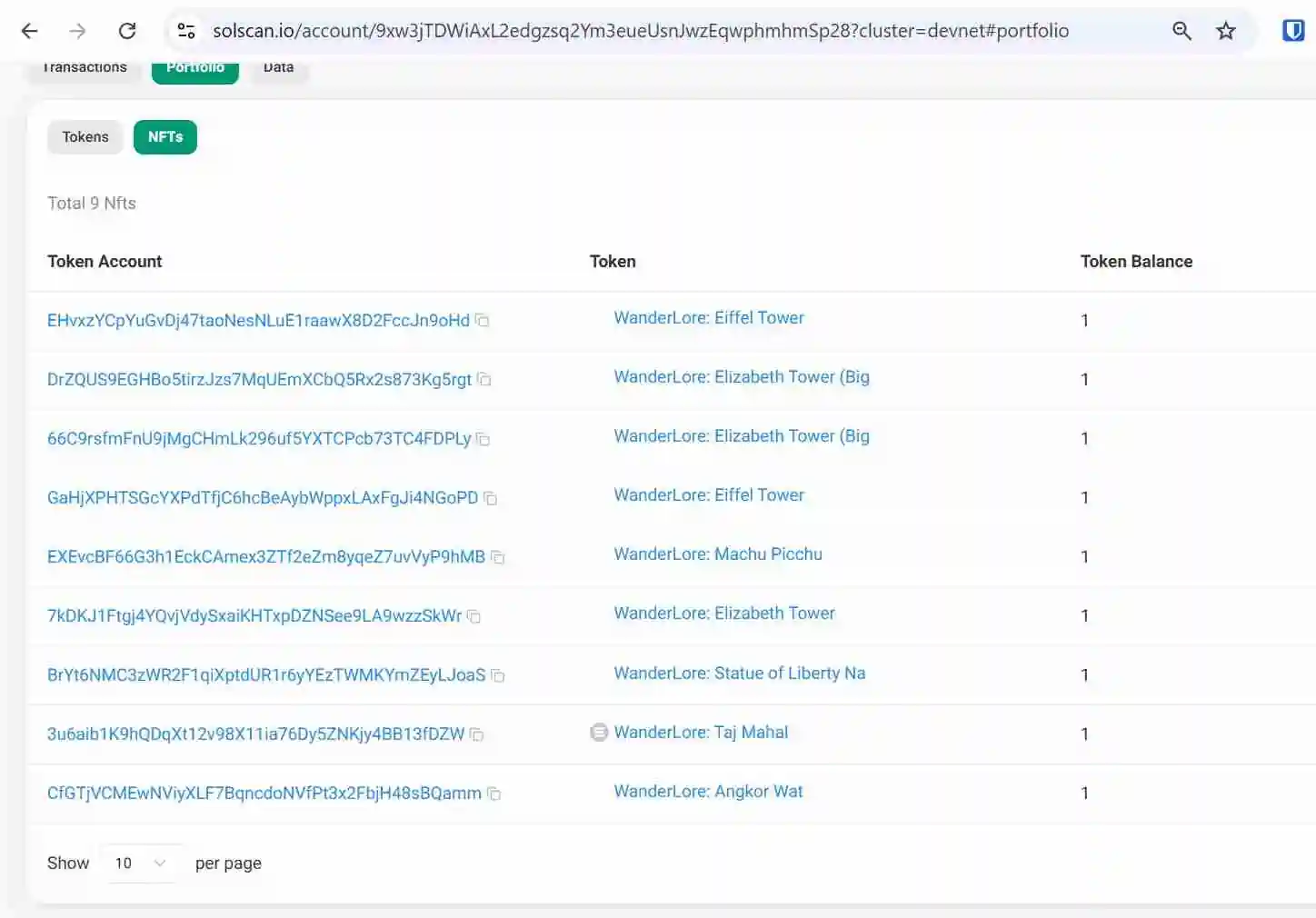
Inspiration My teammate and I are truly passionate about traveling—we even traveled from Atlanta to Eugene for this hackathon! However, busy schedules and tight budgets mean not everyone can explore the globe. WanderLore makes world travel accessible to anyone. When we travel, our favorite part is talking to locals to genuinely understand their culture. Bringing together my focus on computer engineering and intuitive UI/UX design, we built an immersive platform where you speak directly with historical characters. We also wanted to recreate the rewarding joy of collecting physical souvenirs, like passport stamps or MLH stickers. What it does WanderLore is a global, multiplayer historical RPG built directly on the actual planet. Players search for any Earth landmark and instantly fly there in photorealistic 3D. Upon arrival, you encounter an AI-generated historical figure caught in a specific crisis. Every landmark is contestable territory. Once you solve the local's problem through natural dialogue, you capture that location. This lights up the country on the globe, showing your travel footprint to every other player in real time. How we built it 3D Travel: We used Google Photorealistic 3D Tiles via CesiumJS for the flight experience. The Google Maps Geocoding and Elevation APIs ensure the camera lands perfectly at the right altitude. AI Locals: Google Gemini 2.5 Flash processes search queries to build the era, setting, and crisis. Snowflake Cortex (llama3-8b) generates the NPC. We integrated Weather and Time Zone APIs so the character knows and reacts to live local conditions! Footprints: Backboard securely syncs the multiplayer territory state across all sessions in real time. Digital Souvenirs: Discoveries mint as unique NFTs on the Solana Devnet, storing metadata permanently on Arweave. Frontend: Voice narration uses ElevenLabs TTS. The frontend is built in Next.js 16 with GSAP animations, deployed on DigitalOcean.
Gallery